Apple Watch or Garmin for sailing and windsurfing?
Apple Watch is the better smartwatch, Garmin the better endurance tool. How they compare on GPS, battery, controls and durability for sailors and windsurfers, and why the app you pair them with matters as much as the watch.
By the Waterspeed team

The short answer: if you want a smartwatch first and a sailing device second, Apple Watch usually makes more sense. If sailing or windsurfing is central to your training and you want battery confidence over long days, Garmin is the safer bet. Either way, the watch is the sensor. What you learn from a session depends on the app you pair it with.
Side by side for sailing
| Apple Watch Ultra | Garmin fēnix and quatix | |
|---|---|---|
| Sailing on the watch | A basic Sailing workout in the Workout app; sailing tools through apps: in Waterspeed, a sailing mode, live speed and a race countdown | Built-in Sail and Sail Race activities |
| Race timer | Waterspeed Race Countdown (Pro): alerts at 4 min, 1 min, 30 s and the last 10 s; start and sync it with the Action Button | Built-in regatta timer, synced to the official countdown, alerts every minute |
| Lifted or headed upwind | Not built in | Tack assist, from GPS course over ground (it does not account for current or tide) |
| Boat instruments on the wrist | No | quatix: boat speed, depth, heading and wind from compatible Garmin marine electronics |
| Controls with wet hands | Action Button, side button and Digital Crown | Physical buttons |
| Battery with GPS on | Ultra 4: up to 18 h of workout tracking, 45 h in Max Extended Workout mode | quatix 8 Pro 47 mm: up to 30 h multi-band, 70 h in Max battery GPS mode |
| People ashore follow you live | Waterspeed Live Track from the watch | Garmin LiveTrack in Garmin Connect |
| Phone | iPhone | iPhone or Android |
| Analysis in Waterspeed | Records in the Waterspeed watch app | Syncs automatically from Garmin Connect |
Where Apple Watch is strong on the water
- Always with you. It is lighter and easier than carrying a phone, and gives quick access to a live view of your session.
- Polished and familiar. Sharp display, smooth interface, mature app ecosystem, fast setup if you already use an iPhone.
- Quick start. On Apple Watch Ultra, the Action Button starts an activity or a race countdown with one press.
- Health context. Heart rate and recovery data add effort context to your sessions.
Where Apple Watch has limits
- Battery is manageable for shorter sessions and daily charging, but rarely generous for long regatta days or windy weekends.
- Touchscreen use is harder with wet hands, gloves and spray.
- Generic workouts don’t understand sailing. The native Workout app can log time, route, distance, heart rate and calories, but it can’t tell a powered-up reach from a drift, identify a foiling run or explain why one gybe cost speed and another didn’t. Check whether your watchOS version offers a matching water sport, or use a dedicated watersports app.
Where Garmin pulls ahead
- Battery life is the headline, especially across several sports and travel.
- Physical buttons work in spray and with gloves.
- Durability for repeated saltwater sessions.
- Mature training ecosystem: duration, distance, speed, GPS traces, heart rate and training load across all your sports.
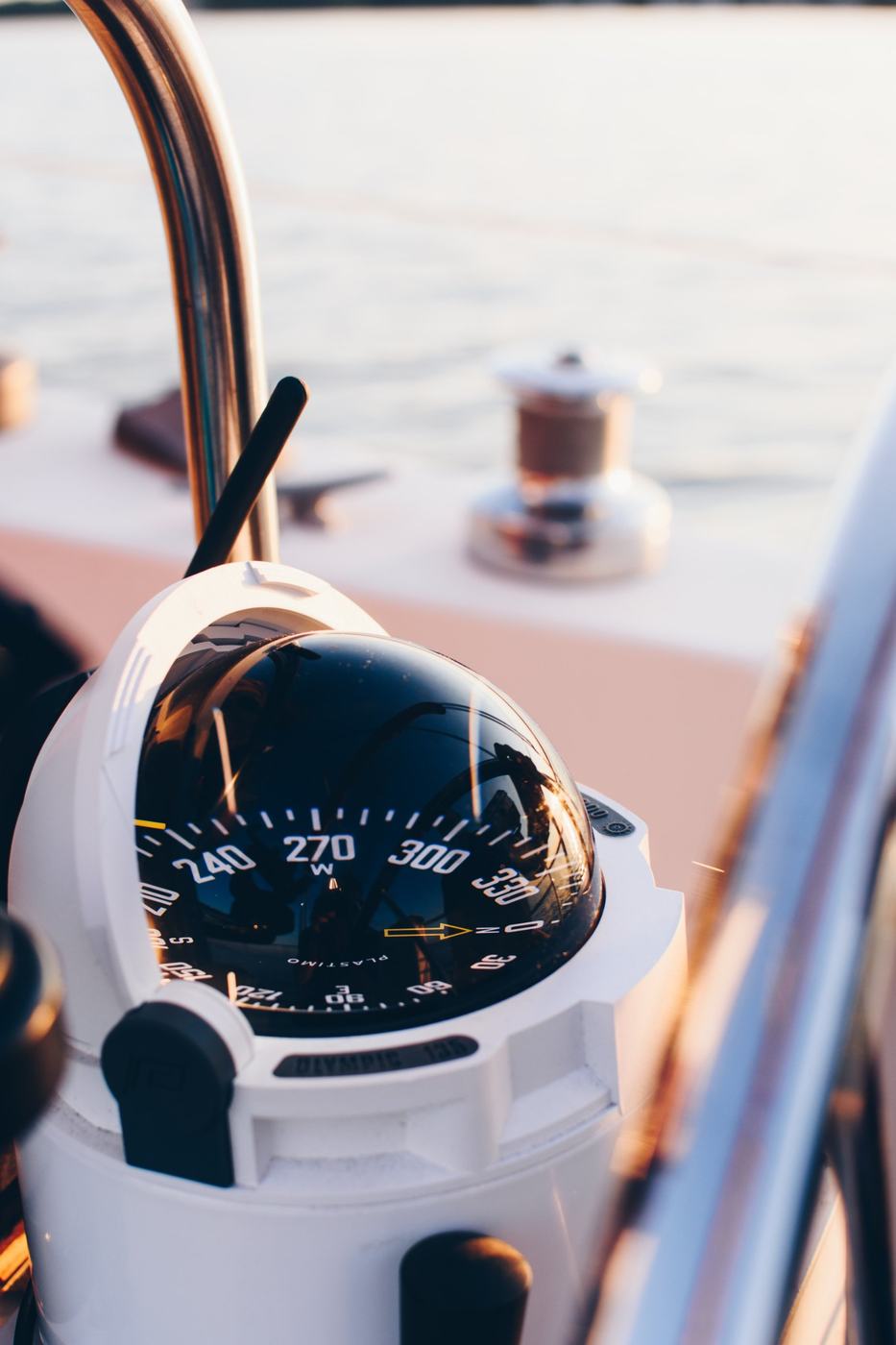
- Sailing tools on the watch. fēnix and quatix have Sail and Sail Race activities with a regatta timer and tack assist. The quatix also shows boat speed, depth, heading and wind from compatible Garmin marine electronics, and costs more than the equivalent fēnix. The fēnix 9 launched in August 2026.
Where Garmin falls short
The gap shows up after the session. Garmin Connect treats windsurfing or sailing as an outdoor endurance activity with speed on top. It answers “how fast did I go?”, but not as clearly “where did I lose speed?”, “how did my gybes compare?” or “which setup was faster in this wind?”. If you already own a Garmin, you rarely need to replace it: pair it with a platform built for the water.
GPS accuracy
For both, the model generation matters more than the logo. In clean conditions with a modern device and good reception, both produce solid tracks. Straight reaches and broad movement patterns are captured well. Tight tacks, gybes and short bursts are where recording rate and smoothing show. More on this in How accurate is GPS on the water?.
Which sailors should choose which
Choose Apple Watch if your sessions are usually shorter, you already use an iPhone, and you want one device that is equally useful at work, in transit and on the water. It suits sailors who care most about recording and reviewing sessions easily.
Choose Garmin if you race, sail often, do long days, need battery confidence, use an Android phone, or have Garmin electronics on board (then the quatix). It also suits riders who want one device for a full training life: gym, bike, recovery and the water when conditions line up.
Set it up for real sessions
- Pick the right activity so the session is categorised and analysed correctly.
- Wear it snug so the heart-rate sensor keeps contact while you grip the boom or sheet, but not so tight it’s uncomfortable for hours.
- Keep the screen simple: speed, time and distance are enough while riding.
- Wait for GPS lock before launching, and stop the recording when you come in.
Pair it with a watersports app
A purpose-built watersports app treats your day on the water as performance, not just exercise. Waterspeed runs on Apple Watch (start, pause and stop from the wrist, live speed and distance, Race Countdown with the Action Button on Ultra) and syncs Garmin sessions automatically. After the session you get best speeds over set times and distances, tack and gybe breakdowns, session comparison and, with Ultra, VMG and polar charts.
Good session data should change what you do next: stronger speeds on port tack, cleaner transitions in flat water, a drop in pace late in the session when fatigue kicks in. That is what turns repetition into deliberate training. For other models, see Which GPS watch for sailing, foiling and paddling?.