How to prepare for a race: from your first start to a long-distance event
Preparing for a race isn't about pushing harder, it's about training smarter. Pacing, setup, race simulation, Race Countdown and post-race review, with lessons from DÉFI, where riders tracked 41,200 km before race day.
By the Waterspeed team

There’s always a first time. Your first race isn’t only about performance, it’s about stepping into something new. And even for experienced riders, a long-distance event is a different kind of effort: less about one fast run, more about pacing, consistency and holding your effort over time.
Here’s how to prepare so you don’t just get through the race, you enjoy it.
1. Don’t train harder, train smarter
In the weeks before a race, it’s tempting to push harder than ever. But performance comes from consistency, not chaos. Start with structure before intensity: prepare each session with a clear goal.
Build sessions around the effort you’ll actually need on race day: controlled, repeatable and sustainable. With Waterspeed you can track your pacing, compare sessions and see where you’re improving, or not. Racing isn’t about going all in. It’s about knowing how long you can hold your best pace.
2. Don’t focus only on top speed
In long-distance racing, pacing matters most. One fast section means little if you can’t hold your effort over the whole distance. The better question is: can you stay consistent from start to finish?
That’s why training over the race distance, or close to it, is useful. Before DÉFI, the Training Challenges on Waterspeed asked kite, windsurf and wingfoil riders for one thing: their best time over 20.0 km. It brought training sessions closer to the real demands of the event.
3. Learn from your data, not just your feeling
Many riders still rely on instinct. The best combine instinct with data. Before your race, find out:
- Where do you lose speed?
- When do you peak?
- How consistent are you?
Small inefficiencies become big losses in a race. If you’re not sure where to look, start with the numbers that show you’re improving and your tack and gybe data.
4. Get familiar with your setup
Race day is not the moment to experiment. Stick with what you trust, and use your previous sessions to compare gear, see which setup gives you better consistency, and understand how it behaves in different conditions. Watch how pro rider Sarah Jackson uses Waterspeed to track and improve her sessions.
The same goes for your tracking. Make sure your device is charged and your setup works before you go out. The less friction before you start, the easier it is to train consistently. See how to set up your device for better sessions.
5. Simulate race conditions
The biggest surprise in a first race isn’t the effort, it’s everything else. So train for it:
- Longer sessions without stopping
- Fast starts followed by controlled pacing
- Training with others
If you train with friends or a crew, create your own Group Challenge. It’s one of the closest things to race pressure without the race.
6. Nail the start with Race Countdown
At a regatta or race, timing is everything, and a good start can make or break your result. Race Countdown, on iOS, Android and Apple Watch, lets you set your countdown, sync it to the official start time and go straight into race mode. When the timer hits zero, tracking starts automatically, so you can focus on the wind, not your watch.
You get sound and vibration alerts at 4 minutes, 1 minute, 30 seconds and for the final 10 seconds. On Apple Watch Ultra you can start the countdown with the Action Button. How to activate and customise Race Countdown. Race Countdown is part of Waterspeed Pro.
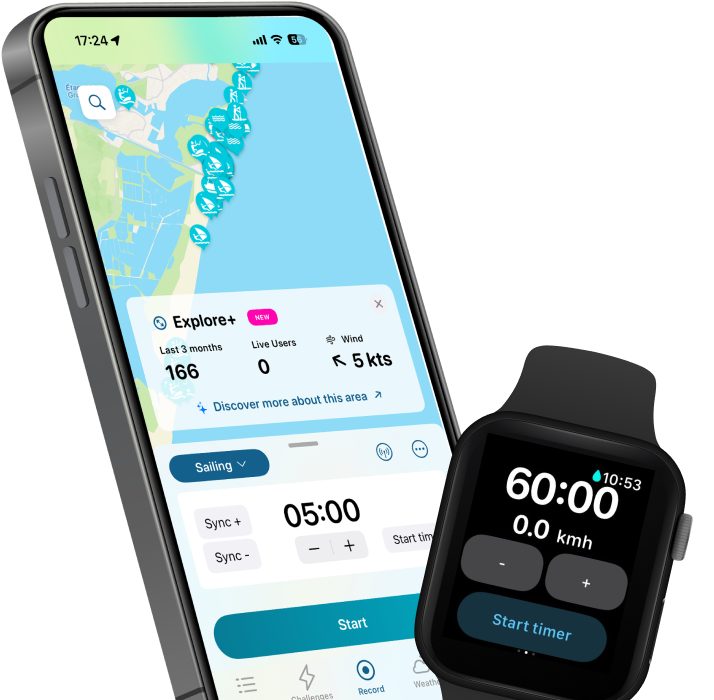
Waterspeed also covers the rest of race day: real-time tracking, a performance breakdown (speed, distance, efficiency) and advanced analytics like VMG.
7. Don’t race others, race your plan
It’s easy to get distracted: someone starts faster, someone overtakes you, someone crashes. Stay in your lane. Your goal for a first race is simple: execute your plan, learn from the experience, finish strong.
8. Review your race
The race doesn’t end when you stop. That’s when the learning starts. Review your session, analyse your pacing and find the key moments, from speed to turns to efficiency, so you understand what happened, not just how it felt.
What a race week looks like: DÉFI
DÉFI showed what this preparation looks like at scale. Before the event, riders trained through the DÉFI Training Challenges on Waterspeed, with one shared goal: arriving ready to race. Across the challenges, they logged:
- 41,200 km tracked
- 1,006 sessions completed
The challenges gave riders a reason to train with intention, compare their progress and build momentum before race day. The leaderboard winners took free entry tickets for DÉFI 2027: Jb Doe (Défi kite), Francois Morrier (Défi wing) and Stefan Daniel (Défi wind).
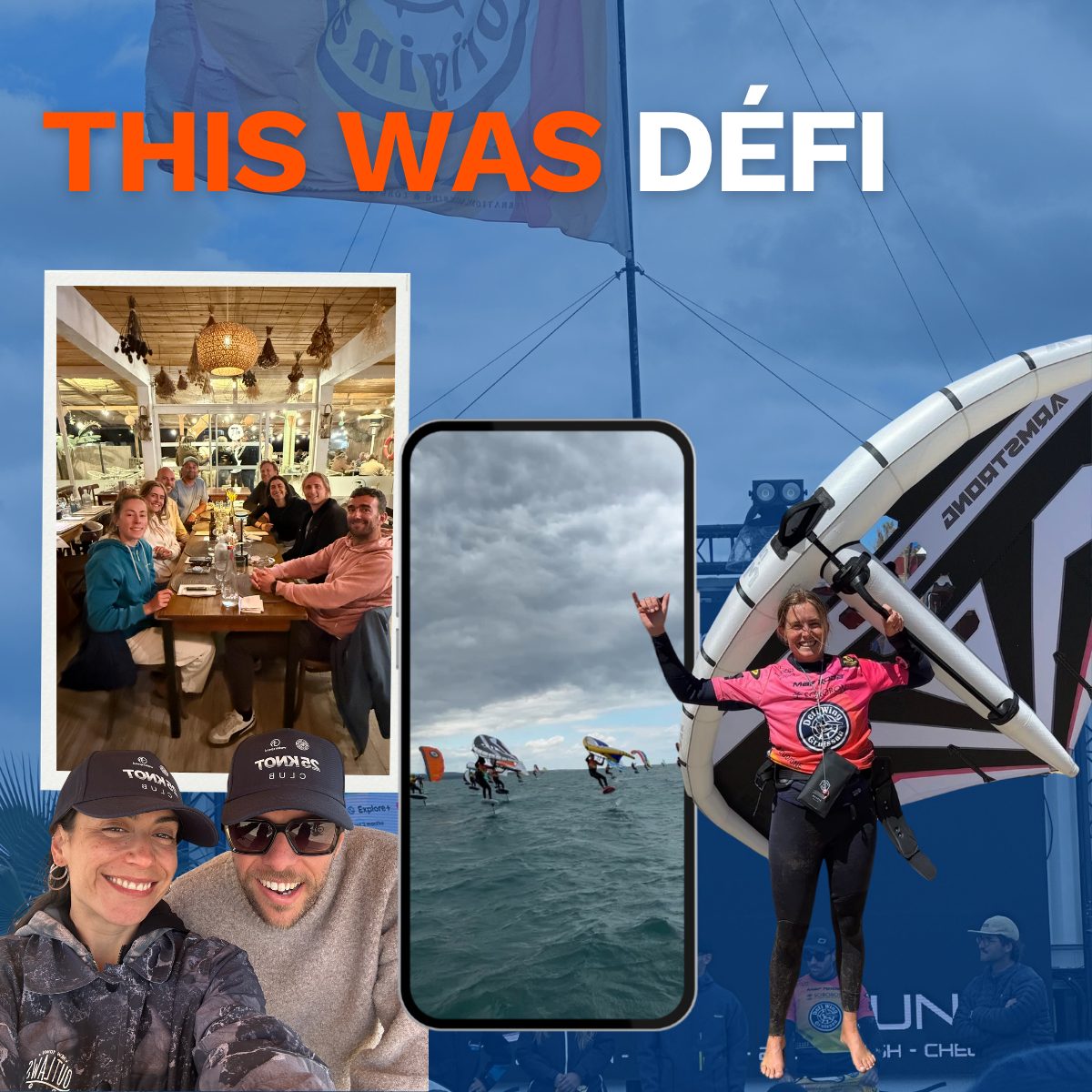
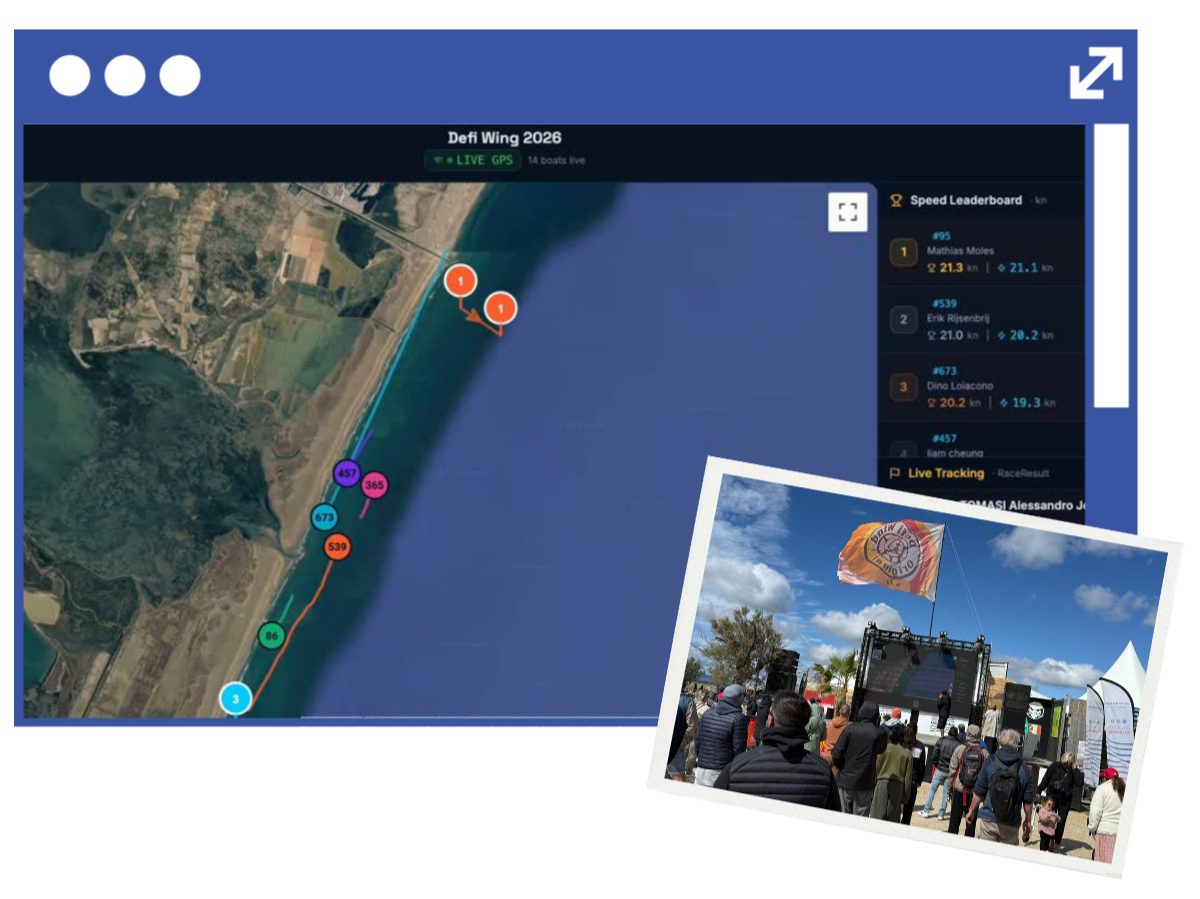
During the races, we tested live tracking for the first time. Riders shared their live location so friends, teams and spectators could follow from shore. With hundreds of riders on the water at once, it added visibility, safety and more ways to follow each race.
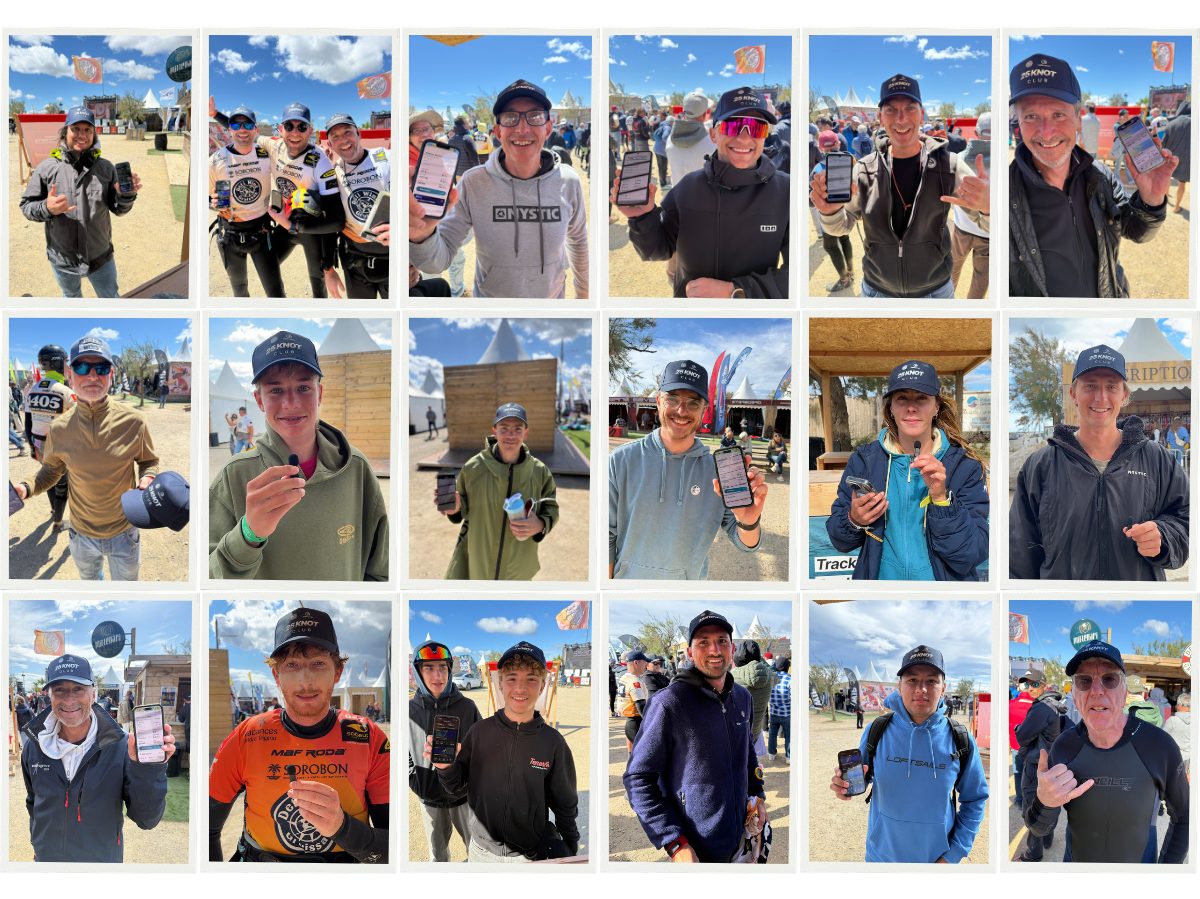
The 25 Knot Club was on too: track your race with Waterspeed, show us a session over 25 knots, and the cap was yours. Our booth moved around during the week, with the same mission everywhere: helping riders set up Waterspeed, share their live tracking, check their sessions and get race-ready. We even watched a start from the rabbit boat: hundreds of riders, full focus, then everything moving at once.
The best way to prepare for a race isn’t just more time on the water. It’s making each session count: train with a clear goal, learn from your data, and build momentum before the event begins.